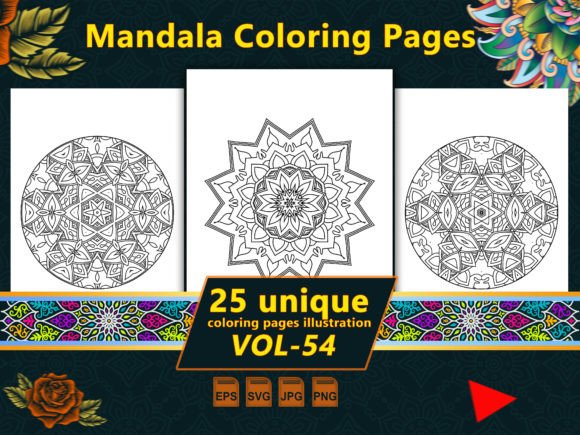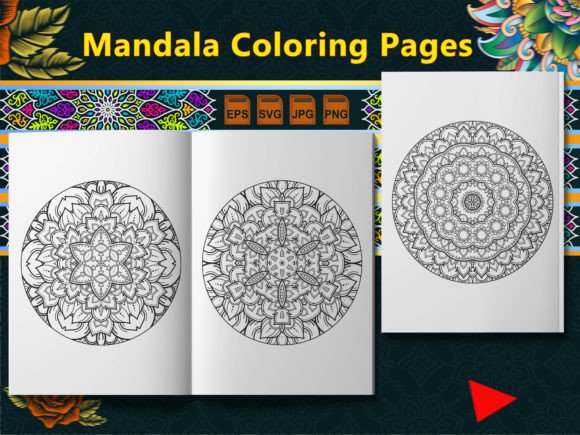
A Designer's Take on Mandala Coloring Pages Vol-46 Interiors
When a new design set lands in my library, I don't just look at it on the screen. I imagine it on fabric. I think about the stitch path, the thread weight, and the final product on a shelf or in a client’s hands. That’s the lens I’m using for Mandala Coloring Pages Vol-46 Interiors. This isn’t a generic review; it’s a practical judgment from an embroidery designer thinking about real project use.
The Immediate Mood: A Sense of Calm and Order
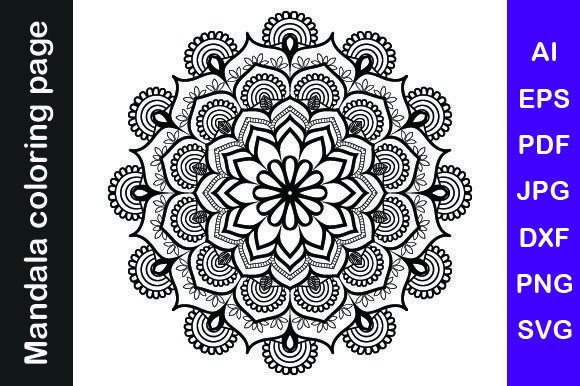
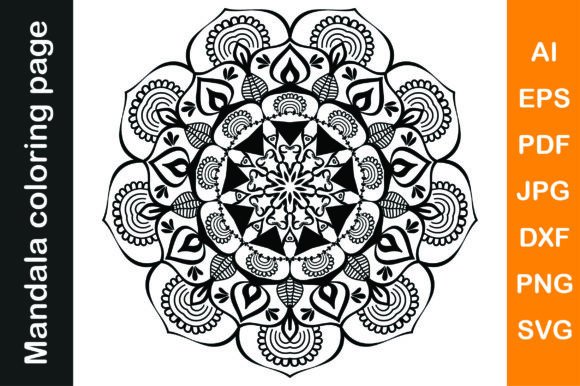
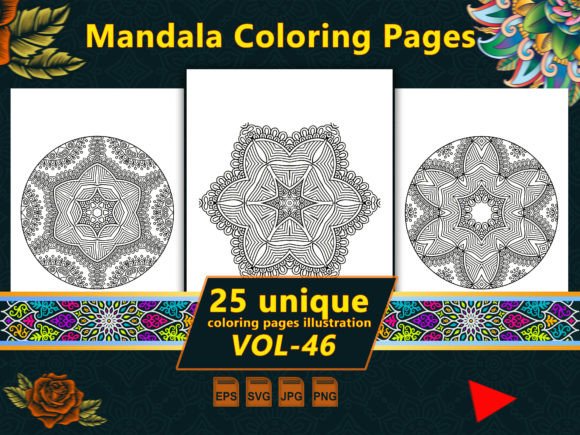
My first impression of this set is its structured serenity. Mandalas are inherently balanced, and this collection leans into that with clean, intricate layouts. The designs feel less like wild, abstract art and more like thoughtful patterns—perfect for projects where you want to convey a sense of calm, mindfulness, or simple beauty. The detail level is inviting but not overwhelmingly dense, which, from an embroidery standpoint, is a promising starting point. It suggests these could translate into stitch work without becoming a muddy mess of thread.
The Natural Fit: Where This Mandala Set Belongs
Let’s talk real-life application. I pictured a specific scenario: a custom embroidered tote bag for a boutique. The client wants something elegant, reusable, and giftable. A mandala from this set, centered on the bag’s front panel, immediately came to mind. The balanced symmetry would look professional, and the intricate lines would offer that handmade detail customers love to see. This isn’t just for tote bags, though. The designs naturally extend to pillow covers, aprons, and tea towels—home goods where a decorative centerpiece makes sense. For baby items like a blanket or a delicate nursery wall hanging, the softer, interior-focused themes could work beautifully, avoiding overly bold motifs.
Considering the Commercial Craft Business
For Etsy sellers and small shop owners, visual appeal directly affects value. A well-embroidered mandala from this collection on a sweatshirt or cap elevates a basic garment. It creates a focal point that feels intentional and artful. I can see these designs boosting customer trust because the finished product looks cohesive and professional. In a craft fair setting, a series of items featuring different mandalas from the same volume would create strong brand consistency across your merchandise—from embroidered patches to personalized gifts.
Performance on Fabric: Practical Embroidery Considerations
How will Mandala Coloring Pages Vol-46 Interiors actually perform when the needle hits the fabric? The provided file formats, like SVG, are typically a good sign for vector-based scaling, crucial for embroidery. But the real test is in the details. The intricate lines and potential fill areas mean you must consider stitch density. On a t-shirt or thin, stretchy fabric, a overly dense satin stitch fill could stiffen the material. My advice is always to test on scrap fabric first, especially with designs that have fine corners.
For dark fabric backgrounds, thread color contrast is paramount. These mandalas, with their interlocking shapes, will need a smart palette choice to maintain clarity. A light thread on dark linen for a kitchen towel? Perfect. But on a black sweatshirt, you might need to opt for brighter, metallic, or white threads to keep the design pop. Always use the proper stabilizer for the base fabric to preserve those clean lines.
Where to Exercise Caution
Some applications require extra thought. Curved surfaces like caps can distort symmetrical designs if they aren’t properly adapted or centered. Very small hoop sizes might force you to simplify or select only a portion of a mandala, as tiny lettering or extremely detailed corners could lose definition. For items needing frequent washing, like baby clothes or aprons, a simpler, less thread-heavy version of the design might ensure longevity. The key is adaptation—using the design as a superb blueprint, but tailoring its execution to the product.
Elevating the Finished Product: From Stitch to Sale
Beyond the technical, how does this set affect the final product’s story? A mandala embroidered onto a blanket or holiday gift like a pillow cover instantly adds a layer of thoughtfulness. It feels less generic, more like a curated item. For digital product sellers using these graphics for printable mockups or digital product previews, the clean illustration quality can enhance your listings’ professionalism. In my experience, this kind of visual cohesion directly increases buyer engagement.
The handmade presentation shines when the design has clear stitching clarity. A crisp mandala on a tote bag design tells the customer you cared about the details. That builds giftability and recognition. Someone sees that bag and remembers your shop.
Essential Designer Notes Before You Stitch
Before you run this embroidery file for a client project or your next craft business item, a few practical steps are non-negotiable. First, always test the design on scrap fabric first. This reveals how the fabric texture interacts with the pattern. Second, check thread color contrast by creating simple black and white mockups to understand the light and dark areas. Third, review stitch density in your machine software; adjust if necessary for the final product type.
Fourth, confirm hoop size compatibility. Does the full design fit your intended hoop, or will you need to segment it? Fifth, inspect small details in a preview to ensure they won’t vanish when stitched. And a crucial final note: while this set is described as perfect for your KDP business and includes files for download, you must confirm licensing before selling finished items or digital products. Understand the terms for commercial embroidery use. This protects your small shop product and your business.
The Final Impression: A Versatile Foundation
Mandala Coloring Pages Vol-46 Interiors strikes me as a versatile foundation for thoughtful embroidery projects. Its mood is calm and orderly, its structure is suited for centered, decorative applications, and its detail level invites customization through thread and fabric choice. It’s not a one-size-fits-all design; it’s a template for quality. For the creative entrepreneur looking to add value to custom apparel, handmade products, or personalized gifts, this set offers a strong starting point—provided you apply the practical, real-world embroidery judgment that turns a good design into a great finished product.