Mandala Coloring Page Vol.33: A Design Eye for Stitch
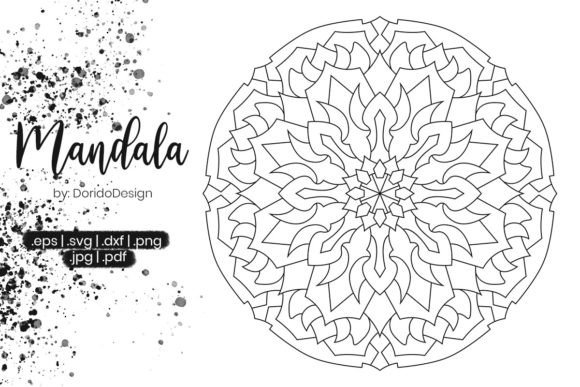
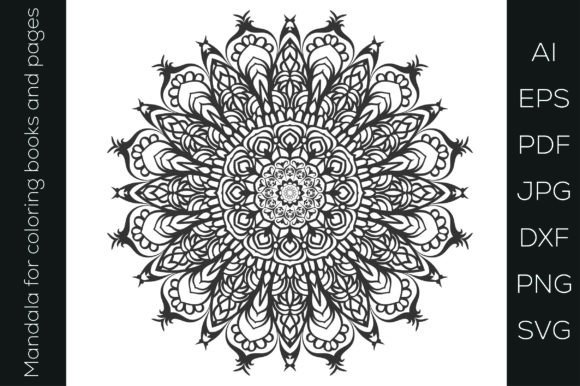
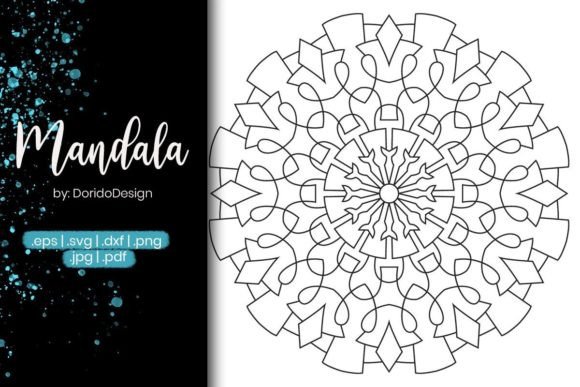
Opening a file like Mandala Coloring Page Vol.33 always feels a bit like unwrapping a tool with quiet potential. Coming from the Coloring Pages Amp category, this is technically a Graphics asset, but my mind immediately strips away the paper and pencils. I see thread paths. I see density. I see a product sitting on a craft fair table. The first impression is calm, symmetrical, and deeply geometric. It doesn’t scream for attention. Instead, it offers a steady, meditative rhythm of repeating shapes. That mood is a powerful asset for a handmade business. It communicates a sense of care and intention before a customer even touches the fabric.
The Visual Personality That Sells Handmade Goods
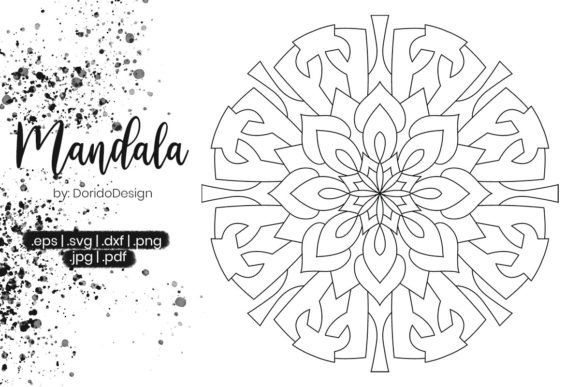
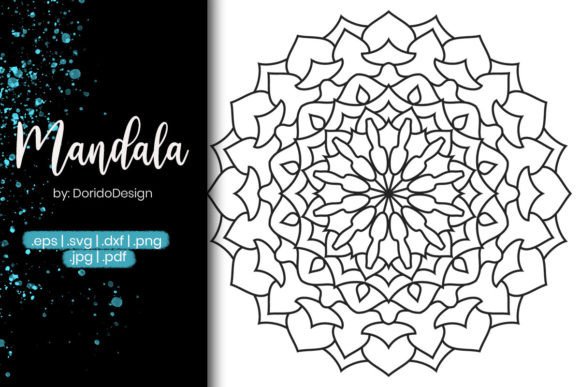
There’s a specific personality here that feels wise beyond a simple coloring page. The layout is balanced, not overly fussy, with a central focal point that radiates outward in clean, confident lines. The detail level sits in a sweet spot. It’s intricate enough to look impressive when stitched out on a tote bag or a pillow cover, but it doesn’t tip into that chaotic territory where tiny elements bleed together under thread. For an Etsy seller or a small shop product creator, this is the kind of design that makes a handmade product look intentional, not just decorated. I can vividly picture this on a natural linen tea towel, the organic fabric texture playing against the rigid geometry of the mandala. The contrast would be quietly stunning.
A Calm Center for Custom Apparel
When I evaluate a design for custom apparel, I’m ruthless about how it will actually wear. A sweatshirt embroidery project with this design would need careful placement. I’d center it on the back of a crewneck, maybe slightly higher than dead center to create a modern, thoughtful silhouette. On a front pocket, scale becomes critical. The mandala’s circular nature means it could overwhelm a small chest area if not sized down appropriately. But scaled right, the serene geometry would turn a simple hoodie into a boutique-caliber garment. The key is that the design doesn’t rely on color to make its impact. It’s a pure line drawing at heart, which means the stitch structure will carry the entire visual weight. That’s a good thing. Strong bones make for a honest finished product.
Where Mandala Coloring Page Vol.33 Belongs in a Real Product Line
I keep a mental catalog of product types while reviewing a file like Mandala Coloring Page Vol.33. This one doesn’t hit every category, and that’s a sign of a focused design. It’s not a generic catch-all. Here’s where it naturally settles for me:
- Embroidered patch: Digitized with a dense satin stitch edge and a cutaway backing, this becomes a gorgeous, tactile patch for denim jackets or canvas bags.
- Tote bag design: A larger reproduction on a heavyweight cotton tote reads as a premium, artistic accessory. It elevates a simple utility item into a statement piece.
- Pillow cover: Centered on a linen or velvet cushion cover, the mandala brings a spa-like, intentional calm to home decor.
- Nursery decor: Soft, tonal thread on a cream background creates a perfect, non-stimulating art piece for a baby’s room. This is where baby embroidery meets sophisticated design, avoiding the typical cutesy clichés.
- Boutique branding: For a shop packaging its own line of wellness products or artisanal goods, this on a simple apron or a small pouch becomes a quiet brand signature.
I’d be more cautious with items that have a lot of structural give. Stretchy fabrics for a tight t-shirt would pull and distort the intricate outer rings. A curved cap surface would warp the careful symmetry unless the design is radically simplified and re-centered for a smaller hoop. Holiday embroidery could work beautifully, but it would need a metallic thread shift or a jewel-toned palette to break the monochromatic meditative feel and push it into a celebratory space. The design itself is versatile, but the stitcher has to be smart about context.
The Quiet Confidence of a Monochromatic Vision
This is a design that thrives on restraint. As a digital embroidery file concept, the value lies in its linework. I’d test a stitch-out in a single, rich thread color on a raw, textured background. Think a deep ochre on unbleached cotton, or a matte black on heathered grey. The stitch density here would need to be managed with a light hand. Too thick, and the mandala loses its delicate, airy feel and becomes a heavy, stiff plate on the fabric. A skilled digitizer would use a mix of running stitch for the fine inner lines and a narrow fill stitch for the bolder structural elements. This isn’t a design that benefits from a heavy satin stitch approach throughout. It wants to breathe.
For a craft business preparing for a holiday market, this is a strong candidate for a limited-edition product. Picture a set of hand-embroidered guest towels, each with a subtly different thread color, tied with a simple twine. The perceived value shoots up because the design looks complex, but the actual stitch time, if digitized efficiently, is manageable. The printable mockup potential is also high. Using this graphic to create a realistic preview for a client’s personalized gift order is straightforward, because the clean lines translate well to a digital mockup without the need for complex shading. That builds customer trust quickly.
The Practical Stitch-Out: What a Designer Actually Checks
Before I’d let this near a client’s order or a batch of craft fair products, there’s a quiet checklist I run through. It’s the unglamorous part of design that separates a polished product from a craft fail. With Mandala Coloring Page Vol.33, the very first thing is a black and white contrast test. I’d print the design on paper and hold it against the intended fabric. Does the eye still track the patterns, or does it turn into a grey smudge? On a dark fabric, the entire character changes. The design becomes a brooding, shadowy motif. On a light, soft fabric, it’s ethereal. Both are valid, but they are different products.
Hoop size is another quiet make-or-break factor. The outer ring details are essential to the mandala’s identity. If the design is crammed into a 4x4 inch hoop, those elements risk becoming stitched so tightly they pucker the fabric or break the thread. A 5x7 or larger hoop gives the design room to maintain its clear, open geometry. I’d also strongly advise a test on scrap fabric first. Always. The theoretical beauty of a Graphics file doesn’t count for anything until the needle hits the fabric. I’d be checking for how the junctions of the lines meet. Do they create bulky knots? Does the stabilizer choice prevent the circular design from shifting during the stitch-out? A cutaway stabilizer is non-negotiable for a wearable item, while a tear-away might suffice for a framed art piece.
From Coloring Page to Commercial Asset
The crossover nature of a Coloring Pages Amp product is genuinely useful. The same file that inspires a machine embroidery design can also serve as a laser engraving template for a wooden ornament or a foil stamp guide for a wedding invitation suite. For a digital product seller or a creative entrepreneur, this dual-purpose flexibility is a smart business move. You could stitch it onto a velvet ring bearer pillow, and use the same graphic for the coordinating paper goods. The consistency builds a brand consistency that feels effortlessly high-end.
However, there’s a crucial line to walk. Since the product description mentions it can be used for stickers, scrapbooks, and invitations, the licensing intent is clear for paper crafts. Before you stitch this onto a custom apparel item to sell, or sell the embroidery file itself, you must confirm licensing. The graphic’s origins in a coloring page collection mean the commercial use rights for tangible, resold goods need to be explicitly verified. I never assume. A quick check protects a small shop’s reputation and avoids a world of trouble. The same applies to selling the digitized embroidery file, which is a derivative work. Knowing the boundary between personal use, limited commercial sale of finished goods, and mass production is part of the professional reality.
This design’s true strength is in the giftability factor. A thoughtfully stitched tote bag design with this mandala, perhaps in a thread color that matches a friend’s kitchen, feels like a deeply personal gesture. It doesn’t have the mass-produced feel of a slogan item. The recognition of the mandala pattern is universal, but the execution is what makes it a personalized gift. For a small shop owner, that’s the story you sell. Not just the item, but the quiet, mindful moment it represents. The design does the heavy lifting, offering a visual anchor that helps a customer choose a product not because it’s loud, but because it feels like a small, meaningful luxury.