Mandala Coloring Book Vol.50: A Design Perspective for Embroiderers
When you’re evaluating an embroidery file like Mandala Coloring Book Vol.50, it’s not just about the graphic on screen. It’s about imagining it translated into thread on fabric—how the stitches will lay, how customers will perceive it, and what kind of finished product it truly belongs on. This particular design, positioned in the Coloring Pages Amp Graphics category, presents a unique opportunity and a set of considerations for anyone looking to create embroidered handmade products.
The First Impression: Balance and Serenity
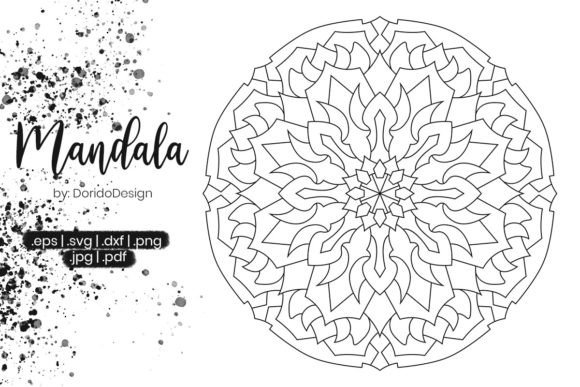
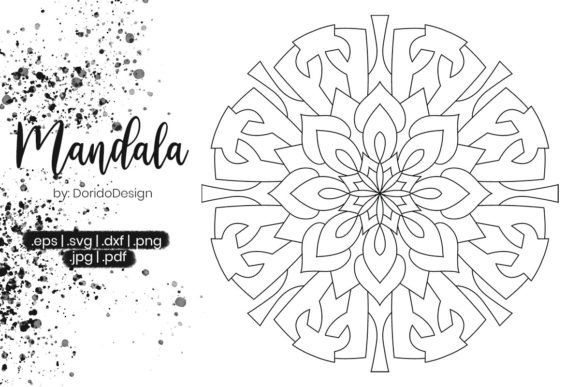
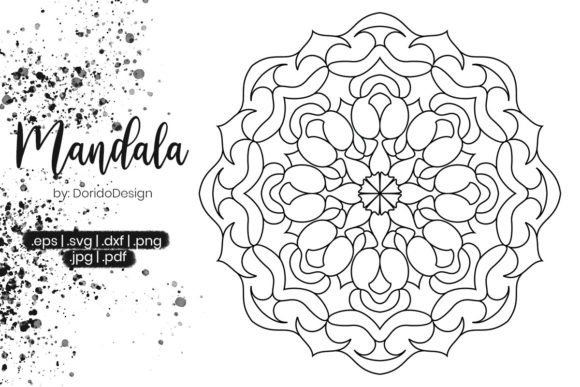
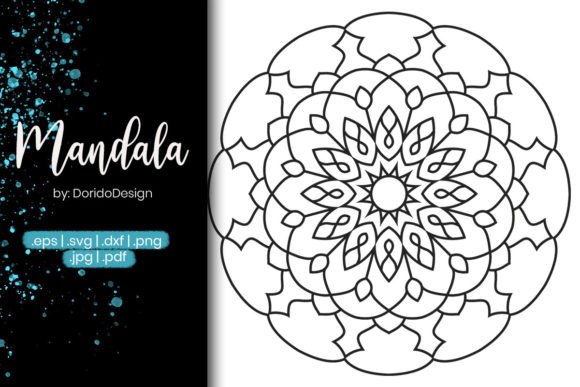
The first thing that strikes me about Mandala Coloring Book Vol.50 is its inherent sense of balance. Mandalas naturally create a focal point, and this one has a layout that feels both intricate and calming. Its visual personality is decorative, detailed, and universally appealing—it doesn’t shout, but it draws the eye in. This mood of serenity is precisely what makes it a strong candidate for personalized gifts or boutique products where you want to convey thoughtfulness and craftsmanship.
Thinking about it for an embroidery project, I immediately picture it on a clean, solid-color background. The level of detail suggests it belongs on items where it can be a centerpiece, not a tiny accent. A custom embroidered tote bag or a pillow cover comes to mind first—projects where the design can be appreciated in full, and where its symmetrical beauty enhances the item’s value.
Real-Life Embroidery Performance: Where It Shines and Where to Be Careful
Let’s walk through a real scenario. Imagine you’re preparing a line of embroidered tea towels or apron sets for a craft fair or your Etsy shop. You want something that feels special, a design that elevates a simple kitchen item into a giftable piece. Mandala Coloring Book Vol.50 could be perfect here. On a sturdy cotton towel, with careful thread color selection, the fill stitches would create a beautiful, textured focal point. It would turn a functional item into a decorative one, increasing its perceived value for customers.
Similarly, for custom apparel like a high-quality sweatshirt, this mandala could become a stunning statement piece on the back or front. The design’s structure lends itself well to larger hoop sizes, allowing the details to be rendered clearly. For baby embroidery on a blanket or nursery decor item, its gentle, circular pattern could be wonderfully soothing, though you’d need to carefully consider scale and stitch density to ensure it’s soft and safe for little ones.
Applications to Consider for Your Craft Business
- Home Decor: Pillow covers, blanket corners, framed hoop art.
- Personalized Gifts: Wedding or holiday gifts on tote bags, kitchen towels, or caps.
- Small Shop Merchandise: As a central brand element on aprons, patches, or simple apparel for a boutique.
- Digital Product Assets: For creating printable mockups or previews if you sell the embroidery file itself.
Where This Design Demands Extra Attention
No design is universally perfect, and the practical realities of machine embroidery mean we have to think critically. The detail level in Mandala Coloring Book Vol.50 is a double-edged sword. On one hand, it’s beautiful; on the other, it requires careful execution.
You should be cautious on small hoop sizes. Trying to shrink this design down for a tiny patch or a baby clothes accent might compress those intricate details into a muddled stitch cluster. It’s also a design I’d avoid on highly textured or very stretchy fabric without excellent stabilizer—the symmetry could distort. Dark fabric backgrounds are a possibility, but they demand high-contrast thread colors and potentially more stitch density to prevent the design from looking faint.
For products that need frequent washing, like apparel or kitchen items, the longevity of the embroidery will depend on your technique. Dense stitch areas in a mandala can be robust, but they also create more stiffness. Testing on scrap fabric first is absolutely non-negotiable here. You need to see how the fill stitches interact, check for any potential thread breaks in tiny corners, and confirm the overall clarity.
Impact on Your Product’s Appeal and Your Business
Using a design like this isn’t just about stitching a pattern. It’s about crafting an experience for your buyer. A well-executed Mandala Coloring Book Vol.50 embroidery project conveys professionalism and care. The handmade presentation feels intentional and skilled, which builds customer trust. For a creative entrepreneur, it can enhance brand consistency if you specialize in decorative, mindful designs.
The giftability factor is high. This type of design feels special and timeless, not trendy or disposable. It engages buyers looking for something more meaningful than a generic logo. In a commercial embroidery project for a client—say, a series of tote bags for a wellness workshop—this design would align perfectly with themes of focus and balance, adding recognition value to the product.
Practical Designer Notes Before You Hoop the Fabric
- Always test on scrap fabric first. Use both a light and a dark background to judge contrast.
- Review the stitch density in your software. Ensure it’s appropriate for your target fabric—too dense for a thin t-shirt, perhaps perfect for a canvas tote.
- Check thread color plans. Consider a monochromatic scheme for elegance, or a subtle multi-color palette for a playful touch.
- Confirm licensing. Since the product description suggests use for decorative elements in various projects, clarify whether the file is intended for personal and commercial use before selling finished items.
- Inspect small details. Look closely at the innermost and outermost elements. Will they stitch out cleanly at your chosen size?
- Use proper stabilizer. This is key for maintaining the design’s perfect symmetry on any garment or product.
Ultimately, Mandala Coloring Book Vol.50 is a design asset with significant potential for embroiderers looking to create products with a calm, decorative appeal. Its success hinges on your practical judgment—matching it to the right project, fabric, and execution technique. Approach it not as a simple graphic, but as a blueprint for a beautiful, textured finished product that can elevate your handmade work, delight your customers, and fit seamlessly into a craft business focused on quality and thoughtful design.