From Sketch to Stitch: Reviewing Deer Animals for a Coloring Book
When you download an embroidery design, you're not just getting a file. You're acquiring a potential product, a piece of art waiting to be translated into thread. My process as a designer always involves asking one question: how will this look in real life, on a real item? Today, I'm looking at Deer Animals for the Coloring Book, and I'm considering it from the perspective of preparing a custom embroidered tote bag for a small boutique's fall collection.
The First Impression: Gentle Lines and Quiet Charm
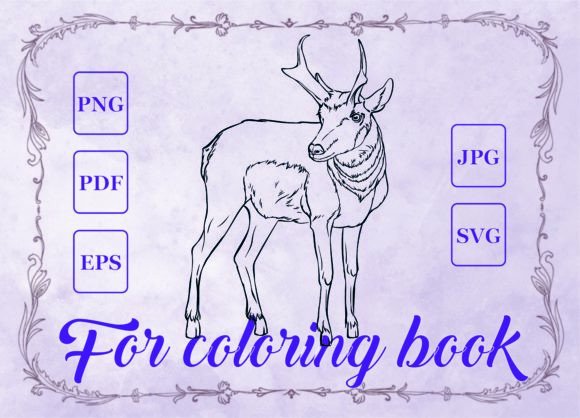
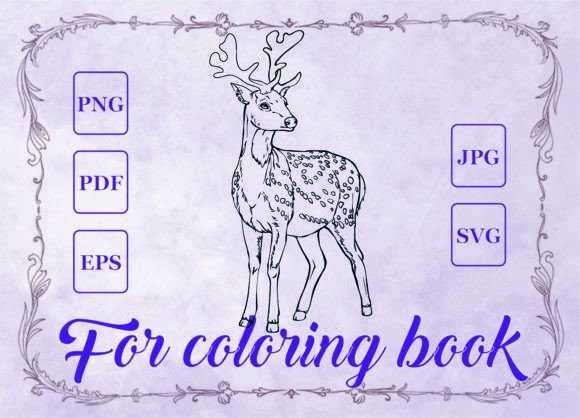
This design immediately evokes a sense of gentle, storybook calm. The deer are rendered with clean, flowing outlines. There's a deliberate simplicity to the forms—no hyper-realistic fur textures or complex shading. This isn't a hunting lodge emblem; it's a peaceful, almost whimsical depiction. The visual personality is soft, approachable, and nostalgic. For an embroidery project, that mood translates beautifully into items meant for comfort, gifts, or quiet spaces.
It naturally belongs to projects where the aesthetic is more illustrative than photographic. Think of a child's blanket, a cozy pillow cover, or a kitchen towel in a rustic cabin. The detail level here is thoughtful: the lines are clear enough to be defined by a running stitch or a smart satin stitch border, but they avoid the tiny, congested areas that can become a muddy mess on certain fabrics. This is a design that understands it will be stitched, not just drawn.
Where This Deer Design Finds Its Home
In practical use, Deer Animals for the Coloring Book has a remarkably wide range. The inclusion of vector files like SVG and EPS is a significant plus for professional use, as it allows for clean scaling without loss of quality. This means the same design file can confidently move from a small baby bib to a large throw pillow.
Strong Candidates for Embroidery
- Custom Apparel & Gifts: A single deer, isolated from the group, would be perfect for a subtle, elegant monogram on a sweatshirt or a wedding gift handkerchief. The entire scene could make a stunning centerpiece on an apron or a canvas tote bag.
- Home Decor & Nursery Items: This is where the design sings. Embroidered onto a pillow cover or a linen tea towel, it creates a handmade, boutique-quality feel. For nursery decor, it's safe, sweet, and universally appealing.
- Small Business Merchandise: For an Etsy seller or craft fair vendor, this design offers versatility. You could produce a series of products—a cap with one deer, a tote with the group—building a cohesive brand look around a natural theme.
- Patches & Accents: Given the transparent PNG background mentioned, creating an embroidered patch is straightforward. This could be applied to backpacks, jackets, or as a decorative accent on a blanket.
The Realistic Considerations: Fabric, Scale, and Stitch
No design is perfect for every scenario. The friendly, open lines of Deer Animals for the Coloring Book are its strength, but they also guide where to use it carefully.
On highly textured fabrics like some sweaters or burlap, the clean outlines might get lost. On very dark fabrics, unless you're using a brilliantly contrasting thread or perhaps a layering technique like appliqué, some of the gentle detail could recede. The design seems to have areas of potential density in the larger forms—the deer bodies. Without knowing the exact stitch count or density from the provided description, I would advise testing those fill areas on a scrap of your intended fabric first. A very dense fill stitch on a thin t-shirt or stretchy fabric can lead to puckering and stiffness.
For curved surfaces like caps, the design's wider, horizontal layout might need adjustment or clever placement. Similarly, embroidering this onto something with frequent, heavy washing like a kitchen towel requires considering your stabilizer and thread quality to maintain that crisp, illustrative look over time.
Professional Notes for the Embroidery Designer
- Always test on scrap fabric first. Match the weight and texture of your final product.
- Check thread color contrast against your background. This design thrives on clarity.
- Review the design in a black and white mockup to judge its form without color influence.
- Since the product type is listed under Graphics, confirm the licensing terms yourself before selling finished items or using it in commercial embroidery projects.
- Use a proper stabilizer suited to your fabric to preserve the design's clean lines.
- For small items like baby clothes, ensure your chosen hoop size can accommodate the design without needing to shrink it so much that fine details compress.
Beyond the Stitches: Impact on Your Product and Customer
Using a design like this isn't just a technical process; it's a creative decision that affects your end product's soul. When you stitch Deer Animals for the Coloring Book onto a tote bag, you're imparting a specific mood: calm, natural, and kindly. That mood increases the item's giftability and perceived value. A customer browsing a small shop isn't just seeing a bag; they're seeing a story.
The stitching clarity possible with this design translates directly into customer trust. A clean, well-defined embroidery job looks professional and durable. It signals care in craftsmanship. For a craft business, that builds brand consistency. If your shop specializes in gentle, nature-inspired goods, this design fits that narrative perfectly, helping engage buyers who are looking for that exact aesthetic.
Finally, the flexibility of the provided file formats means you can use the SVG for creating printable mockups for your Etsy listings or for sublimation projects, while the embroidery file becomes the physical product. This dual utility makes it a savvy choice for digital product sellers and makers who operate across multiple mediums.
A Design That Speaks Softly but Works Hard
In summary, Deer Animals for the Coloring Book is a thoughtfully composed graphic that translates well into the world of thread and fabric. Its success lies in its illustrative simplicity, which avoids the pitfalls of over-complication in embroidery. It beckons towards projects meant for comfort, home, and heartfelt gifts. As with any embroidery project, its true performance will be decided by your skill, your materials, and your understanding of its character. Approach it not as a mere file, but as a partner in creating something tangible and beautiful. Test it, respect its strengths, and it will likely become a reliable, charming asset in your design library for personalized gifts, small shop products, and quiet moments of making.