Branches in Autumn: An Embroidery Designer's Review
When I sit down to evaluate a new design for embroidery use, I'm looking for more than just a pretty picture. I'm thinking about how it will translate onto fabric, the kinds of projects it will elevate, and the real-world problems it might solve—or create. The Branches in Autumn Adult Coloring Book design is one that recently landed on my digital desk, and I've been thinking through its potential from a purely practical, stitching perspective.
The Quiet, Versatile Charm of Autumn Branches
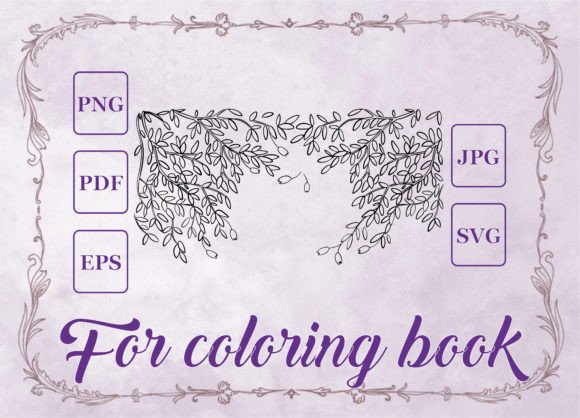
My first impression was immediate and positive: this is a serene, organic design. It doesn't shout; it whispers. The theme is universally appealing—autumn branches carry a sense of calm, transition, and natural beauty. As an embroidery file, the layout feels balanced, with a level of detail that suggests texture without becoming overwhelming. The visual personality is sophisticated yet approachable, which is a sweet spot for handmade products. It doesn't feel tied to a specific holiday, making it a year-round candidate for projects.
I immediately pictured it on a linen tote bag for a boutique client. It's the kind of design that turns a simple bag into a "buy it for yourself" gift. The branches offer a lovely flow that would guide the stitching path nicely, and the open areas within the design structure mean you aren't committing to a massive, dense fill stitch area, which is great for fabric integrity and production time.
Where This Design Thrives in Real Projects
Let's walk through some scenarios. Imagine you're preparing a custom order for an embroidered sweatshirt. This design, scaled appropriately, would sit beautifully on the left chest or across the back. Its natural theme resonates with a wide audience, from college students to moms wanting a cozy, stylish layer. It feels contemporary and handmade without being trendy or kitschy.
For baby clothes or nursery decor, the gentle branches create a soft, artistic aesthetic far from typical cartoon motifs. On a cotton baby blanket or a little romper, it would look delicate and special. As a embroidered patch, it would be stunning—the design's lines are clear enough to remain legible even when condensed into a patch format, perfect for applying to caps, bags, or jackets.
Think about your small shop merchandise. This is a strong candidate for a signature line of tea towels, apron designs, or pillow covers. It adds value because it looks like a deliberate artistic choice, not a generic clip-art. For holiday gifts or wedding gifts (perhaps for a rustic or autumn-themed wedding), a personalized item with this embroidery feels thoughtful and upscale. In my experience, designs like this boost customer trust because the finished product looks professional and cohesive.
A Natural Fit for Digital and Physical Selling
If you're a digital product seller, the inclusion of multiple file formats, like the vector SVG, is a significant plus. You can create clean printable mockups for your listings, showing the design on various apparel items without the need to stitch each sample immediately. This speeds up your workflow when building a portfolio of design assets for commercial embroidery or sublimation.
Considerations Before You Hoop the Fabric
While the design is versatile, a professional approach means knowing its limits. The level of detail, depending on the exact file you use, might require careful handling on very small hoop sizes. On a curved surface like a cap, you'd want to test the scaling to ensure the outermost branches don't get lost on the seam.
Stitch density is a key consideration. While the design appears open, you need to check your specific embroidery file settings. If the branches are rendered with thick satin stitch borders, they could become bulky on thin or stretchy fabric. Always test on scrap fabric first, using the same material as your final project. This is non-negotiable.
For dark fabric backgrounds, thread color contrast is paramount. The design's elegance could be lost if you choose thread colors too close to the fabric shade. I often test in black and white mockups first to check the contrast purely in terms of light and dark values. A good stabilizer choice will also be crucial on textured fabrics like sweaters or bags to keep those clean lines.
How This Design Impacts Your Craft Business
Using a design with this aesthetic consistency can strengthen your brand consistency. If your shop leans toward natural, calm, or artistic styles, this becomes a reliable asset. Its giftability is high—it looks like a keepsake. For Etsy sellers and craft fair vendors, that emotional connection drives sales.
The finished product will have a strong visual appeal because the theme is inherently pleasing and the layout is balanced. This leads to better buyer engagement in listings and happier customers who receive the item. It doesn't look amateurish; it looks like a considered piece of custom apparel.
A Final, Practical Note for Makers
My strongest advice is to treat any new design, including Branches in Autumn, with a full process check. Confirm the licensing terms for the files you've downloaded—can you use it for personal and commercial projects? Are there any restrictions on selling the finished product or using it in digital product previews? Never assume.
Then, physically test it. Check thread color contrast. Review stitch density in your software. Confirm hoop size compatibility. Inspect small details like the tips of the smallest branches to ensure they'll stitch cleanly. This upfront work turns a beautiful graphic into a reliable, profitable embroidery project. This design has the foundational elegance to be that kind of asset for your work, from a personalized gift to a full line of small shop products. Just give it the practical scrutiny it deserves before the needle starts moving.