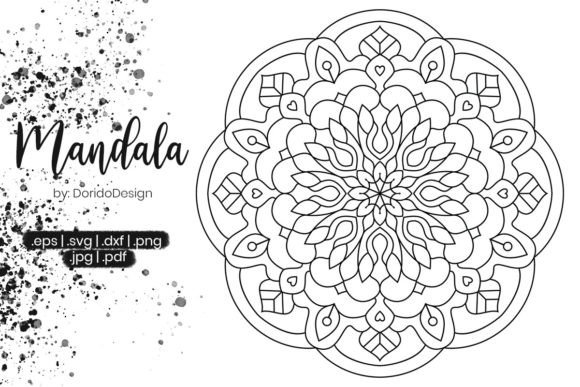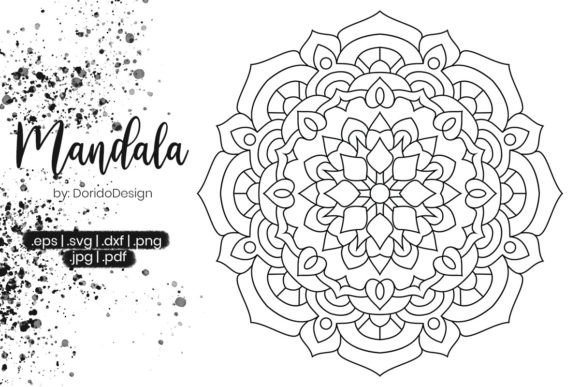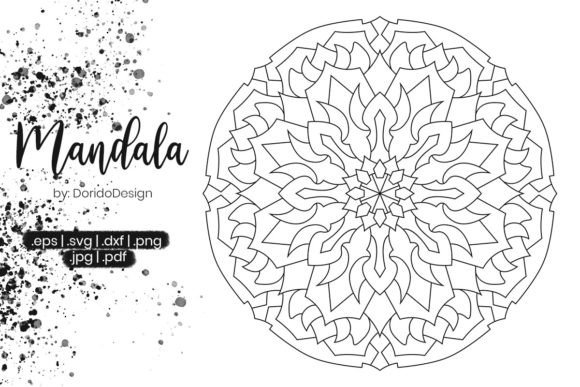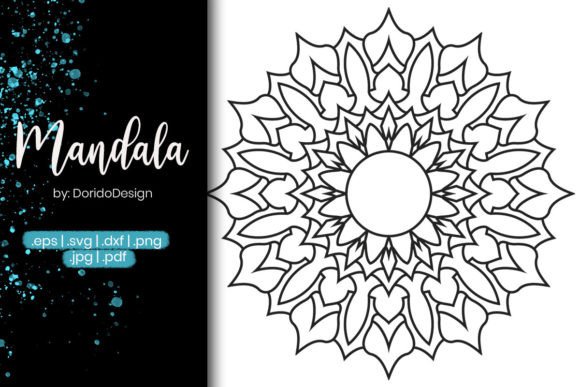
An In-Depth Review of Mandala Coloring Page Vol.79 for Real Client Projects
In my line of work, vetting digital assets before committing them to a client's project is a crucial step. Today, I’m examining Mandala Coloring Page Vol.79, a graphic from the Coloring Pages Amp category, to see if it holds up under professional scrutiny. Let’s walk through this as if I’m preparing a visual identity for a boutique wellness brand launching a new line of handmade products.
The Immediate Impressions: Mood and Style
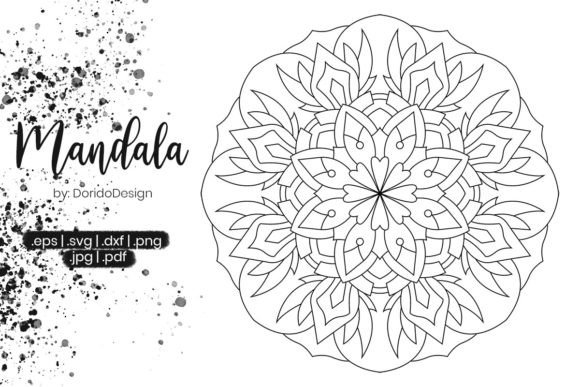
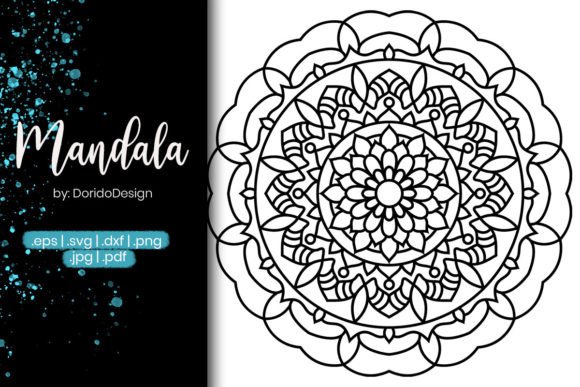
The first impression of Mandala Coloring Page Vol.79 is one of intricate calm. The radial symmetry and detailed patterns evoke a sense of mindfulness and craftsmanship. This isn’t a loud, chaotic design; it’s a thoughtful, balanced piece. It naturally fits projects targeting audiences interested in relaxation, spirituality, artisanal quality, or personalized creativity. For my hypothetical wellness brand, this mandala instantly suggests serenity and attention to detail—core brand values.
Performance in Real-World Design Applications
For brand identity, this mandala shines as a supporting element rather than a primary logo. Its complexity is beautiful but can overwhelm if scaled too small. However, for packaging design, especially on product labels for candles, teas, or skincare, it can serve as a stunning decorative border or a subtle background texture, elevating the perceived value.
In marketing visuals, it’s highly versatile. As a focal point in social media graphics for Instagram posts or Pinterest pins promoting a meditation workshop, it creates instant visual appeal. For printable designs like event flyers or workshop invitations, it adds an elegant, thematic anchor. Its structure also makes it a superb candidate for Cricut projects, such as intricate stickers or vinyl decals for merchandise.
Considering print-on-demand applications, this design asset is promising. On t-shirt designs or tote bags, placed centrally, it becomes a statement art piece. For mugs or wall art, its repeating patterns ensure the design feels complete even when cropped or framed. In website graphics, used sparingly as a section divider or a background for a hero banner, it introduces texture without sacrificing readability.
Where This Mandala Design Works Best
- Large Layout Areas: As a hero graphic on a homepage or a full-page backdrop in editorial design.
- Decorative Accents: For borders, frames, or intricate details on greeting cards and wedding invitations.
- Themed Collections: Perfect for building a cohesive visual campaign around mindfulness or handmade art.
- Product Mockups: As an applied design on mockups for stickers, phone cases, or apparel.
- Supporting Brand Elements: To complement a simpler logo and add depth to brand collateral.
Scenarios Requiring Careful Application
- Small Sizes: Avoid using it as a tiny icon; detail will vanish, harming visual hierarchy.
- Crowded Layouts: Pairing it with other complex elements can create a cluttered, confusing composition.
- Minimalist or Corporate Projects: Its ornate nature clashes with sleek, modern professional corporate materials.
- Low-Contrast Designs: Ensure it sits on a background that allows its lines to remain clear and legible.
Impact on Brand Perception and Engagement
Using Mandala Coloring Page Vol.79 correctly can significantly boost emotional appeal. It fosters visual trust by signaling craftsmanship and care. For a small business branding effort, this can make a brand feel more established and thoughtful. However, misapplication can hurt professionalism. If the asset overwhelms the core message, the overall impression becomes messy rather than polished.
Its strength lies in audience engagement for niche markets. Crafters, mindfulness communities, and lovers of handmade goods will recognize and appreciate its aesthetic, creating a stronger connection. For commercial design assets sold on creative marketplaces like Etsy, this specificity is a powerful tool.
Practical Designer Notes Before Commercial Use
Before integrating this into any client project, I run a series of checks. First, I test Mandala Coloring Page Vol.79 in black and white to ensure its form holds without color dependency. I preview it at both very small and large sizes to identify any loss of integrity.
I place it on real product mockups—a t-shirt, a mug, a book cover—to see how it interacts with the object’s shape. I test print quality by outputting a sample at high resolution to check line sharpness. Crucially, I review the provided file formats. Is there an SVG design for vector editability with my client’s logo? Are there clean PNG designs with transparency for quick digital use?
Typography pairing is next. I compare the mandala with a clean sans serif font for modern balance, a script font for elegance, and a bold display font for emphasis. The mandala often works best with simpler typefaces that don’t compete with its detail.
The final, non-negotiable step is confirming the commercial license. I must ensure this graphic design asset is cleared for use in my client’s Etsy product line, their packaging design, and their digital ads. Only then can this creative asset move from my review folder into active real client project use.
A Final Assessment for the Creative Professional
Mandala Coloring Page Vol.79 is a robust design asset with clear strengths in decorative, thematic, and craft-oriented projects. It’s not a universal tool, but within its niche—supporting brands centered on wellness, artistry, and personalization—it can be a powerful component for improving visual mood and polish. For the designer, brand owner, or crafter who understands its boundaries and performs due diligence on format and licensing, it represents a valuable addition to the toolkit for building authentic, engaging visual experiences.